
10–40-Yard Guide for Central Indiana Projects
“What Size Dumpster Do I Need?” is one of the first questions people ask in Central Indiana when a cleanout, remodel, roofing job, or construction project starts creating more debris than expected. A small pile of household junk may take up more space than expected. Roofing shingles, drywall, flooring, and demolition debris may look smaller but weigh more.
The right dumpster size depends on both space and weight. In this blog, we’ll walk through common dumpster sizes, what each one is best for, and how to compare space, weight, and project type before choosing.

10-Yard Dumpster: Best for Small Cleanouts
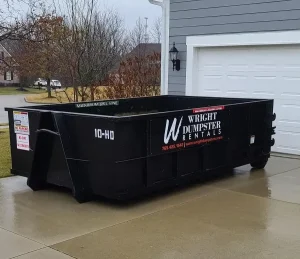
A 10-yard dumpster is often used for smaller projects with light debris. It can be a good fit when the cleanup is limited to one room, one small area, or a short project.
Common uses include:
- Small garage cleanouts
- Bathroom updates
- Closet cleanouts
- Light household junk
- Small flooring removal
- Minor remodeling debris
A 10-yard dumpster size can also work well when the placement area is limited. It gives you more room than trash bags or curbside bins without taking up as much space as a larger roll-off container.
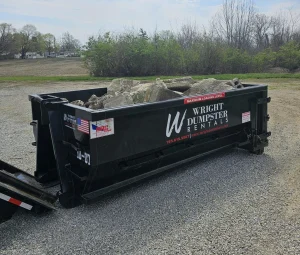
The main thing to watch is weight. Heavy debris can reach the weight limit before the dumpster looks full.
15-Yard Dumpster: Best for Medium Home Projects
A 15-yard dumpster gives you more room than a 10-yard container while still staying manageable for many residential projects.
This size can work well for:
- Garage cleanouts
- Basement cleanouts
- Attic cleanouts
- Small moving cleanouts
- Old furniture
- Moderate household junk
- Light renovation debris
This size is helpful when the debris includes a mix of boxes, furniture, shelving, carpet, cabinets, and general clutter. These materials may not be very heavy, but they can fill space quickly.
A 15-yard dumpster can be a good middle option when a 10-yard dumpster feels too small, but the project does not call for a large construction container.
20-Yard Dumpster: Best for Remodels and Bulky Junk
A 20-yard dumpster is one of the most common choices for home projects because it gives more space for bulky material.
It can be used for:
- Kitchen remodel debris
- Bathroom remodel debris
- Moving cleanouts
- Larger garage cleanouts
- Roofing debris
- Carpet and flooring removal
- Bulky furniture
- Mixed household junk
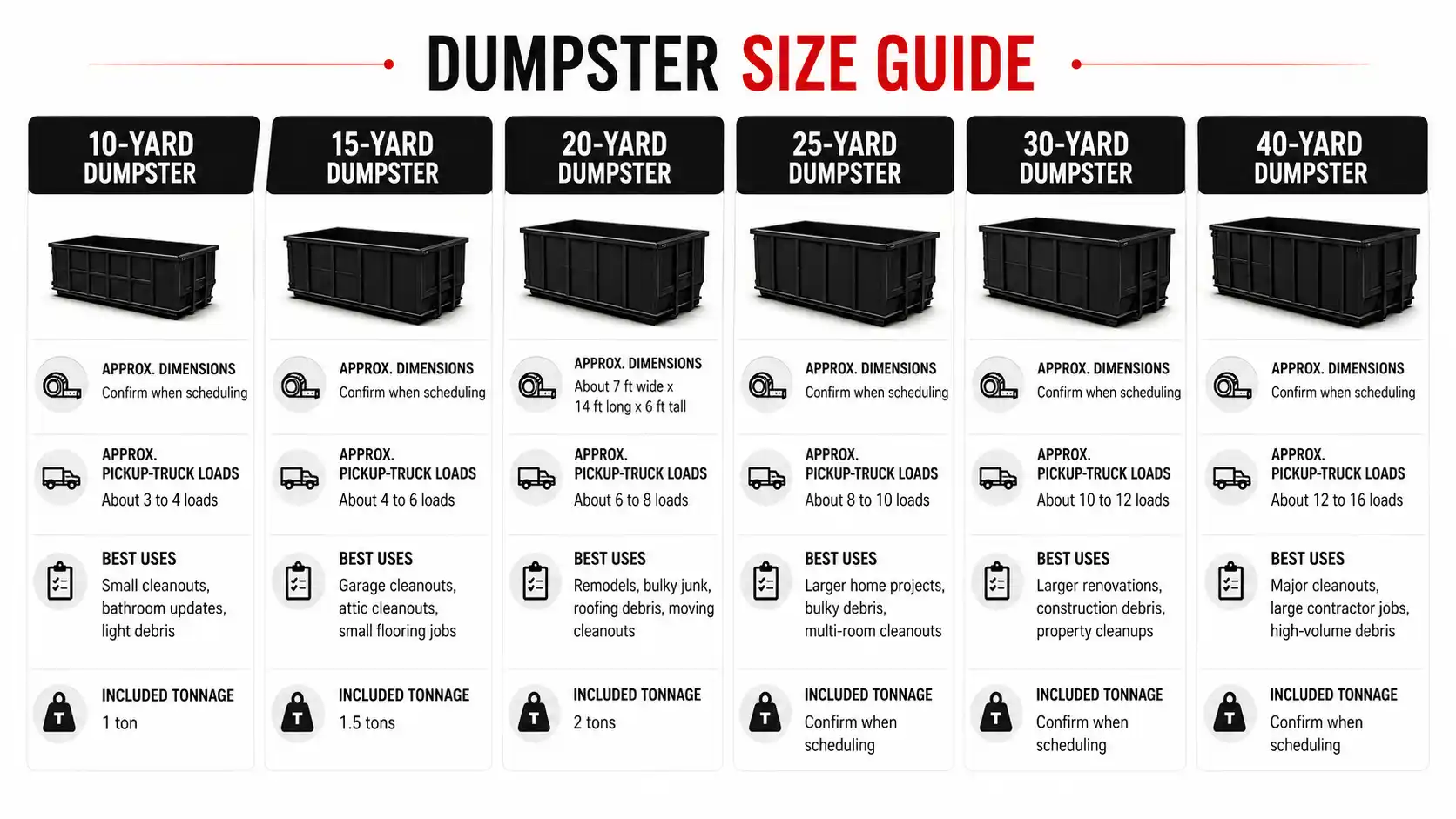
For people asking how big is a 20-yard dumpster, one common listed size is about 7 feet wide, 14 feet long, and 6 feet tall. Exact dimensions can vary by container style, so always confirm before scheduling. A 20-yard dumpster can often handle larger household projects, but weight limits still matter. Shingles, tile, drywall, and demolition debris can add up quickly.
How Big Is a 20-Yard Dumpster for a Home Remodel?
A 20-yard dumpster can be useful for remodels because it can hold bulky material like cabinets, drywall, trim, flooring, packaging, and old fixtures.
It may be enough for a single-room remodel or a larger cleanout. It may not be enough for a whole-home renovation, a large roofing job, or heavy demolition work.
For remodels, think about both size and weight:
- Drywall can stack flat but still add weight.
- Cabinets take up awkward space.
- Shingles are dense and heavy.
- Furniture fills space quickly.
- Tile, brick, concrete, and dirt may require a different disposal plan.
Indiana guidance also matters for certain materials. The Indiana Department of Environmental Management says yard waste is banned from disposal in solid waste landfills, with some exceptions.
30-Yard Dumpster: Best for Construction and Large Cleanouts
A 30-yard dumpster rental is usually better for projects with more debris volume. This size is often used for larger cleanouts, renovation jobs, and contractor cleanup.
It can be a good choice for:
- Large basement cleanouts
- Large garage cleanouts
- Multi-room renovation debris
- Construction debris
- Larger flooring projects
- Commercial cleanouts
- Property cleanup after repairs
- Bigger amounts of bulky junk
A 30-yard dumpster can hold more material, but it is not always the right choice for very heavy debris. Bigger does not mean unlimited weight. This size may be better when the debris is bulky, mixed, or spread across several rooms or work areas.
40-Yard Dumpster: Best for Major Projects
A 40-yard dumpster is the largest size in this guide. It is usually used for high-volume cleanup, not small household projects.
It may be used for:
- Major property cleanouts
- Large construction projects
- Commercial cleanouts
- Big renovation jobs
- Large volumes of light debris
- Multi-area cleanups
A 40-yard dumpster needs more room for delivery and pickup. It also needs careful loading because heavy debris can exceed weight limits before the container is full. This size can be useful when the debris is large but not extremely dense, such as furniture, boxes, packaging, fixtures, trim, and lighter construction material.

How to Avoid Picking the Wrong Dumpster Size
The wrong dumpster size can slow down the project. If the dumpster is too small, the debris may not fit. If it is too large, you may pay for space you do not use.
Use this dumpster size guide as a starting point.
Before choosing a size, think through these details.
What type of debris are you loading
How heavy is the material
How much room is available for placement
Can the debris stay below the fill line
Are any materials restricted
Pricing can change based on dumpster size, debris type, weight, rental length, and disposal needs, so it is best to review the project details before choosing a container. The EPA reported that the United States generated about 292.4 million tons of municipal solid waste in 2018. That includes common waste from homes and businesses, but construction and demolition debris is tracked separately because it behaves differently and often needs different handling.
Pick the Right Dumpster Before You Load
The best dumpster size depends on the project, the debris, the weight, and the placement area. A 10-yard dumpster size may be enough for a small cleanout. A 20-yard dumpster may work well for remodels and bulky junk. A 30-yard dumpster rental may be better for larger renovation or construction debris. A 40-yard dumpster is usually best for major cleanup work.
Wright Dumpster Rentals helps customers compare dumpster options, talk through project details, review material guidelines, and plan delivery and pickup. For help with dumpster sizes, contact Wright Dumpster Rentals to discuss your cleanup and choose a rental plan that fits the job.
Frequently Asked Questions
A 10-yard dumpster may work for a small cleanout with light household junk, boxes, small furniture, and general clutter. If the cleanout includes bulky furniture or several rooms, a 15-yard or 20-yard dumpster may be a better fit.
A common listed size for a 20-yard dumpster is about 7 feet wide, 14 feet long, and 6 feet tall. Exact dimensions can vary by container, so confirm measurements before scheduling.
Yes, a 30-yard dumpster rental can be a good choice for larger renovation debris, jobsite cleanup, wood scraps, drywall, packaging, and bulky construction waste. Heavy debris still needs to be reviewed because weight limits matter.
Do not assume yard waste can go in the dumpster. Indiana has a yard waste landfill ban with some exceptions, and dumpster rules can vary by material and disposal requirements. Ask before loading.
If the dumpster is too small, you may need another container or a new pickup plan. If it is too large, you may pay for space you do not use. The safest step is to give us a call and describe the debris, project size, and placement area before scheduling.