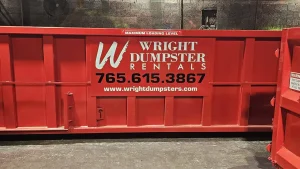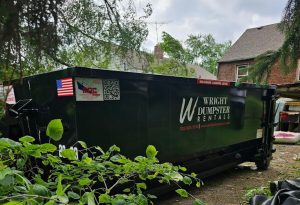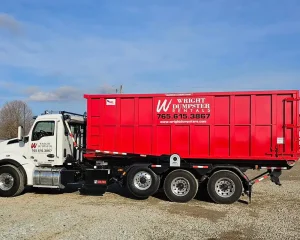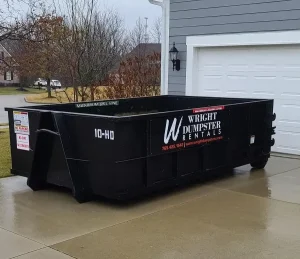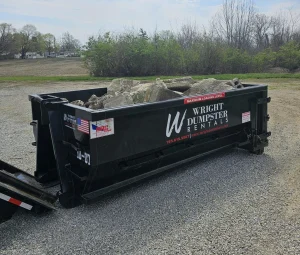

A roll-off dumpster is a large, open-top container designed for temporary waste collection. It’s delivered to your property or job site by truck, stays there while you load it, and is hauled away when your rental period ends.
Roll-off dumpsters are commonly used for cleanouts, remodeling, roofing, construction, and other projects that create more debris than regular trash service can handle.
How Does a Roll-Off Dumpster Work?
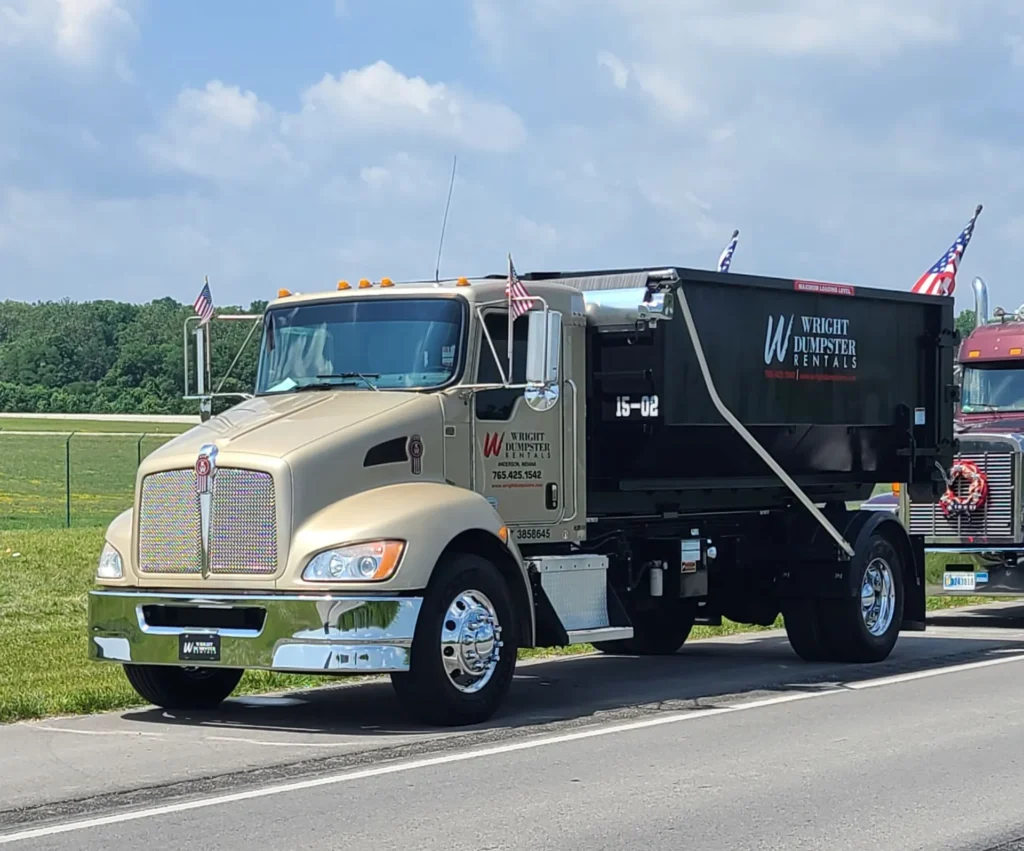
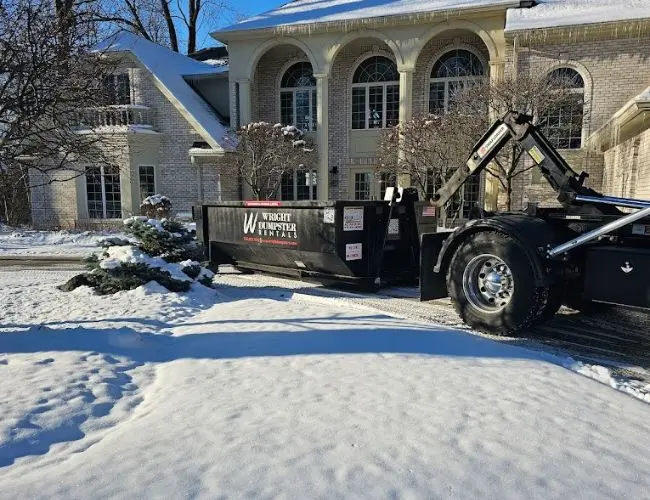
A roll-off container gets its name from how it’s delivered and removed. The dumpster is transported on a specialized truck and rolled off the back onto the prepared placement area.
The basic process usually looks like this:
- Choose a dumpster size based on your project.
- Schedule delivery to your home, business, or job site.
- Prepare a clear area for placement.
- Load approved debris during the rental period.
- Keep material below the maximum loading level.
- Have the dumpster picked up and hauled away.
Unlike regular curbside trash service, a roll-off dumpster gives you one larger container that can stay on-site while you work.
What Is a Roll-Off Dumpster Used For?
A roll-off dumpster is used for temporary projects that generate a large or ongoing amount of waste.
Common uses include:
- Garage, basement, and attic cleanouts
- Moving and downsizing
- Home remodeling
- Kitchen and bathroom renovations
- Roofing projects
- Construction work
- Property cleanups
- Commercial cleanouts
They can be especially useful when debris builds up over several days. Instead of making repeated disposal trips, you can load approved material into one container as the project moves forward.
Construction and demolition projects are one common source of this type of debris. The U.S. Environmental Protection Agency lists wood, drywall and plaster, asphalt shingles, metals, brick, concrete, and other materials among common construction and demolition materials.
That doesn’t mean every rental dumpster accepts all of those materials. Always confirm what your specific rental allows before loading.
What Roll-Off Dumpster Size Do You Need?
Roll-off dumpsters are measured in cubic yards. The number describes the container’s volume, not its weight allowance.
Common sizes can include:
Dumpster size | Projects it may suit |
Small cleanouts or limited debris | |
Furniture removal or light remodeling | |
Roofing, flooring, and renovation work | |
Larger household or construction cleanups | |
Major renovations and property clearing | |
Large construction or commercial projects |
The best size depends on both the amount and type of debris.
A pile of furniture may take up plenty of space without being extremely heavy. Dense construction materials can reach a dumpster’s weight allowance while leaving visible room in the container.
When you’re unsure, describe the project and materials rather than simply choosing the largest or cheapest option.
How Much Does a Roll-Off Dumpster Cost?
There isn’t one standard price for every roll-off dumpster rental.
Local rental prices can depend on:
- Dumpster size
- Delivery address
- Rental length
- Included disposal weight
- Type of material
- Extra rental days
- Weight overages
- Additional trips or service
When comparing quotes, look beyond the starting price. Ask how many days are included, how much weight you can dispose of, what happens if you exceed that amount, and whether delivery and pickup are part of the quoted rate.
A rental that fits your actual project can be more cost-effective than choosing a lower advertised price that doesn’t include enough time or disposal weight.
What Is Not Allowed in a Roll-Off Dumpster?
What is not allowed in a roll-off dumpster depends on the rental company, disposal facility, and local rules.
Materials that often need separate handling can include:
- Paint
- Chemicals
- Used motor oil
- Batteries
- Pesticides
- Certain electronics
- Propane tanks
- Refrigerant-containing appliances
- Medical or infectious waste
Indiana’s Department of Environmental Management identifies used motor oil, certain batteries, pesticides, old paint, and electronic equipment among household hazardous waste materials that need appropriate management.
Indiana law also keeps many electronic devices out of regular trash disposal. IDEM states that households, small businesses, and schools must recycle covered e-waste rather than discard it in the trash.
If you aren’t sure whether something can go into your roll-off container, ask before loading it.
Where Can You Put a Roll-Off Dumpster?
A roll-off dumpster needs a firm, accessible location where the delivery truck has enough room to place and retrieve it.
Common locations include:
- Driveways
- Private property
- Construction sites
- Commercial job sites
Before delivery, move vehicles, trailers, equipment, and other obstacles away from the placement area.
You should also consider nearby utilities, sprinkler systems, cables, branches, or other property features that could affect delivery or pickup. If you want to place the dumpster on a public street or other public property, check local requirements first. Permit and placement rules can vary by municipality.
How Should You Load a Roll-Off Container?
Load the dumpster carefully so it can be safely transported when the project is finished.
A few simple practices help:
- Keep all debris below the maximum loading level.
- Spread heavy items throughout the container when practical.
- Don’t move the dumpster after it has been placed.
- Keep restricted materials out.
- Make sure nothing blocks access on pickup day.
Weight deserves special attention. An open-looking dumpster isn’t necessarily under its weight allowance.
If your project involves especially dense material, tell the rental company before booking so you can determine whether a standard roll-off container is appropriate.
Roll-Off Dumpster vs. Regular Trash Pickup
Regular trash service and roll-off dumpsters serve different needs.
Regular pickup works well for normal household waste generated week after week. A roll-off dumpster is designed for temporary projects that produce a larger amount of debris in a shorter period.
A roll-off container may make more sense when:
- Your trash won’t fit in regular bins
- The project will last several days
- You’re removing bulky items
- Debris needs to stay contained while you work
- Repeated trips to a disposal facility would be inconvenient
For a very small cleanup, regular trash service or another disposal option may still be more practical.
Get the Right Roll-Off Dumpster for Your Project
If you need a temporary roll-off dumpster in our Central Indiana service area, Wright Dumpster Rentals can help you choose a rental based on what you’re removing, your project timeline, and where the container needs to go.
Tell us about the cleanup before you book, and we’ll help you narrow down an option that fits the job.
Frequently Asked Questions
You don’t need to know the exact size before you call. Tell us:
- What you’re removing
- Roughly how much debris you expect
- What kind of project you’re working on
- How long you expect the project to take
We’ll use those details to help narrow down the right rental.
Your pickup is scheduled as part of the rental process, so you don’t normally need to call simply because you’ve finished loading early. Make sure the dumpster remains accessible for pickup on the scheduled date.
Keep debris at or below the marked maximum loading level. If the dumpster is overloaded, material may need to be removed before it can be transported safely, and additional charges can apply.
Each dumpster includes a weight allowance. If the loaded container exceeds that allowance, additional tonnage charges apply after disposal. Ask about the included weight before booking, especially if your project involves dense debris.
Extensions may be available depending on availability. Contact us by 9:00 a.m. on the business day before your scheduled pickup date so we can review your options. Additional daily charges may apply.