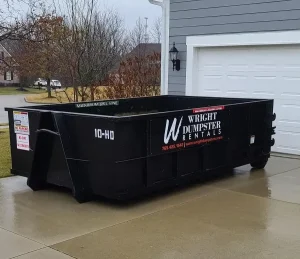

The answer depends on more than the dumpster itself. The cost to rent a dumpster is usually based on the container size, rental period, included weight allowance, delivery location, the type of debris, and any additional services or overage charges.
Knowing what affects the total cost makes it much easier to compare quotes and avoid paying for space or services you do not need. A little planning before scheduling can also help keep your dumpster rental cost within budget.
What Is Usually Included in a Dumpster Rental Cost?
Most dumpster rental companies bundle several services into one quoted price instead of charging separately for every step of the rental. That is why two quotes that appear similar may include different things.
A typical rental may include:
- Dumpster delivery
- Scheduled pickup
- A set rental period
- A weight allowance
- Disposal of accepted materials
Before comparing quotes, ask what is included instead of looking only at the final number. A lower advertised price may not include the same services as another quote.
Commonly Included | May Cost Extra |
Delivery and pickup | Additional rental days |
Standard rental period | Weight overages |
Included weight allowance | Restricted materials |
Disposal of accepted debris | Failed delivery or pickup attempts |
Basic scheduling | Special handling requests |
The Biggest Factors That Affect Dumpster Rental Fees
Dumpster rental fees are rarely based on one factor alone. Instead, several details work together to determine the final price.
Dumpster size
Larger dumpsters generally cost more because they hold more material and usually include a higher weight allowance. If you are unsure which container fits your project, choosing a dumpster rental size based on the type of debris often leads to a more accurate quote than estimating by eye.
Weight allowance
Every dumpster includes a maximum weight limit. Dense materials such as roofing shingles, tile, concrete, and drywall can reach that limit much faster than furniture or household clutter.
Rental period
Keeping the dumpster longer than the standard rental period may result in additional daily charges. If your project schedule changes, ask about extensions before the scheduled pickup date.
Type of debris
Some materials cost more to dispose of than others, while certain items require separate handling or cannot go into a standard dumpster at all.
Why Weight Can Change the Final Price
Many people focus on filling the dumpster without thinking about weight. In reality, a container can look only half full and still exceed its included allowance if the debris is especially dense.
Heavy materials commonly include:
- Roofing shingles
- Tile and flooring
- Drywall
- Brick
- Concrete
- Dirt
- Rock
- Plaster
Lighter materials such as furniture, cardboard, clothing, and general household junk usually take up more space while weighing much less. Accurately describing the debris before renting helps you compare options and understand how weight may affect the total cost.
How to Avoid Paying More Than Necessary
Paying less does not always mean choosing the cheapest dumpster. It usually means choosing the right one.
A few simple decisions can make a noticeable difference:
- Estimate debris before ordering.
- Break down bulky furniture and boxes.
- Separate prohibited materials before loading.
- Keep debris below the maximum loading line.
- Finish the project within the agreed rental period.
- Avoid mixing dense materials with general household junk when possible.
These small steps can help reduce unexpected dumpster rental fees while keeping pickup straightforward.

When Should You Reserve a Dumpster?
Booking a little earlier gives you more flexibility with delivery dates, dumpster sizes, and rental periods. Same-day or next-day service may be available, but it depends on the schedule and availability.
Reserve the dumpster around the point when debris will start piling up. Booking too early may use part of the rental period before the cleanup begins, while waiting too long can leave waste scattered around the property.
Before delivery, take time to:
- Clear the placement area
- Move vehicles out of the way
- Separate prohibited materials
- Confirm access for the delivery truck
- Review the expected rental period
If the project timeline changes, share the update as soon as possible. Early notice can make schedule changes easier and may help avoid extra charges or delays.
Questions to Ask Before Accepting a Quote
Not every quote is built the same way. Asking a few questions upfront helps you understand what you are paying for before the dumpster arrives.
Consider asking:
- What rental period is included?
- How much weight is included?
- What happens if the dumpster exceeds the weight allowance?
- Which materials are prohibited?
- Are additional rental days available?
- Are there fees for failed deliveries or blocked pickups?
These details make it easier to compare quotes and understand what each price includes.
How Access and Scheduling Can Affect the Total
The cost to rent a dumpster can increase when the driver cannot complete delivery or pickup as planned. A blocked driveway, locked gate, narrow entry, parked vehicle, soft ground, or overloaded container may require another trip or extra time on site.
Before delivery and pickup, make sure:
- The access route is open
- Vehicles are moved
- Gates are unlocked
- The placement area has enough room
- Debris stays below the loading line
- Tarps, straps, and locks are removed before pickup
- Any schedule changes are shared in advance
Rental extensions may also add to the final price. Under the current terms, extension requests must be made by 9:00 a.m. on the business day before the scheduled pickup date, and approval depends on availability. Failed delivery or pickup attempts, waiting time, and unscheduled pickup or redelivery requests may also result in added charges.
A clear placement area and timely communication can prevent avoidable dumpster rental fees and keep the rental on track.
Cheap Isn't Always the Best Value
A lower advertised price can be appealing, but it does not always mean the overall rental will cost less. One quote may include delivery, pickup, and weight allowance, while another may advertise a lower starting rate but add charges for services you expected to be included.
Instead of looking only at the initial number, compare the complete rental. Check what the quote includes for delivery, pickup, rental time, weight allowance, and disposal. A lower starting price may come with fewer included services or smaller limits, so the full breakdown often gives you a much clearer picture of the true cost.
Common Mistakes That Increase Dumpster Rental Cost
Unexpected dumpster rental charges often come from small planning or loading mistakes rather than the size of the project itself. Choosing the wrong container, exceeding the weight allowance, blocking access, or adding prohibited materials can all affect the final cost.
Some of the most common include:
| Mistake | Why It Can Cost More |
| Choosing a dumpster that is too small | May require another rental |
| Loading above the fill line | Pickup may be delayed until corrected |
| Exceeding the weight allowance | Overage charges may apply |
| Including prohibited materials | Special handling or removal may be required |
| Blocking access before pickup | An additional trip may be necessary |
Avoiding these issues usually takes only a few minutes of planning before loading begins. A careful size estimate, a clear pickup path, and a quick review of the rental rules can help keep the job on schedule and reduce preventable fees.
Understanding Dumpster Costs Before You Rent
Understanding how much it costs to rent a dumpster starts with looking beyond the advertised price. Container size, debris type, weight allowance, rental period, and what the quote includes all influence the total cost, so comparing complete rental details is more useful than comparing numbers alone.
If you’re planning a cleanup in Central Indiana, Wright Dumpster Rentals can explain what is included in the quote, help you compare dumpster sizes, and answer questions before delivery so you know what to expect.
Frequently Asked Questions
Usually, yes. Larger dumpsters generally have higher rental rates because they hold more material and often include a greater weight allowance. However, renting one larger container may still cost less than needing two smaller rentals.
Additional charges most often come from situations such as:
- Exceeding the included weight allowance
- Keeping the dumpster longer than the rental period
- Loading prohibited materials
- Blocking access for pickup
- Filling above the maximum loading line
Understanding these terms before delivery helps reduce surprises.
Yes. Dense materials can reach the included weight allowance much faster than household junk, while certain materials require special disposal methods. Describing the debris before scheduling helps determine the most suitable rental option.
Not necessarily. Compare what is included, such as delivery, pickup, rental length, and weight allowance. A lower advertised price may not provide the same overall value as a more complete quote.
Be ready to share the project address, the type of debris, the approximate amount of material, and how long you expect to need the dumpster. A short conversation about those details often makes it easier to receive a quote that matches the project instead of relying on rough estimates.