
If you’re planning a cleanup or project, one of the first questions that comes up is this: do you need a permit for a dumpster in Indianapolis, IN? The answer depends on where you plan to place it. Dumpster rental rules are not the same for every situation. Some setups require a permit, while others do not.
Knowing the rules ahead of time can help you avoid delays, extra costs, or fines. In this guide, we’ll break down when a street dumpster permit is needed, where you can place a dumpster, and how to stay within local guidelines.
When You Need a Dumpster Permit
In most cases, you will need a permit if the dumpster is placed on public property.
This includes:
- Streets or public roads
- Sidewalks
- Alleys maintained by the city
- Public right-of-way areas
The city regulates these areas to keep traffic moving and to make sure emergency vehicles have access.
Why the City Requires a Permit
According to the City of Indianapolis Department of Business and Neighborhood Services, permits are often required for anything that blocks or uses public space. This includes dumpsters used for construction, roofing, or large cleanouts.
You may also need a permit if:
- The dumpster blocks a lane of traffic
- It sits near an intersection
- It stays in place for several days
If your project involves any of these situations, it’s best to check before delivery. Not sure if you need a permit? We’ll help you figure it out.
When You Don’t Need a Permit
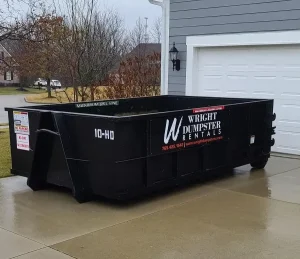
You usually do not need a permit if the dumpster is placed on private property.
Common examples include:
- Driveways
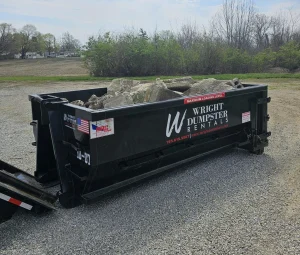
- Private lots
- Job sites
- Construction areas on private land
Construction areas on private land As long as the dumpster stays fully on your property and does not block public access, a permit is not required. This is the easiest option for most homeowners and small projects. It also avoids the extra steps involved with getting approval from the city.
Still, there are a few things to keep in mind:
- Make sure the surface can handle the weight
- Keep the dumpster clear of overhead wires or trees
- Follow any HOA or property rules
Where You Can Place a Dumpster in Indianapolis, IN
One of the most common questions is: Where can I put a dumpster? The answer depends on your property and the type of project.
Here are the most common placement options:
1. Driveways
This is the most popular choice for residential projects.
- No permit needed
- Easy access for loading
- Keeps the dumpster off the street
2. Construction Sites
- Ideal for ongoing work
- Keeps debris contained
- Reduces trips and cleanup time
3. Parking Lots
- Works well for commercial cleanouts
- Needs enough space for delivery and pickup
4. Streets or Alleys
- Requires approval from the city
- Must follow safety rules
- May need cones or markings
How to Get a Dumpster Permit
If you do need a permit for renting a dumpster in Indianapolis, the process is fairly simple.
Here’s how it usually works:
- Contact the city office
Reach out to the Department of Business and Neighborhood Services or your local permitting office. - Submit an application
You may need to provide:- Location of the dumpster
- Dates of use
- Size of the container
- Pay the required fee
Fees vary based on location and duration. - Wait for approval
Some permits are approved quickly, while others may take a few days. - Follow placement rules
This may include:- Using safety cones
- Keeping clear paths for traffic
- Limiting how long the dumpster stays
You can find official details through the City of Indianapolis website or local offices.
Dumpster Permit Costs
Permit costs can vary depending on the situation.
Factors that affect cost include:
- Location of the dumpster
- Length of time it will be used
- Size of the container
- Type of project
What Happens If You Don’t Get a Permit?
If a permit is required and you don’t get one, there can be consequences.
Common issues include:
- Fines from the city
- Removal of the dumpster
- Delays in your project
- Extra fees for repositioning
Cities enforce dumpster rental rules to protect public safety and keep roads clear.
According to the Environmental Protection Agency, proper waste management and placement are important for safety and environmental protection. Poor placement can block access or create hazards. Getting the right permit ahead of time helps you avoid these problems.
Why Proper Dumpster Placement Matters
Placing a dumpster in the right spot does more than just follow rules.
It also helps:
- Keep your project organized
- Improve safety for workers and neighbors
- Reduce cleanup time
- Prevent damage to property
Plan Ahead and Keep Your Project Moving
If you do need a permit for a dumpster, it comes down to placement. If the dumpster is on private property, you’re usually fine. If it’s on a street or public space, you’ll likely need a permit. Planning ahead makes the whole process easier. It helps you stay within local rules and keeps your project running without delays. If you’re unsure, it’s always better to ask before scheduling delivery.
At Wright Dumpster Rentals, we help homeowners, contractors, and businesses get the right dumpster in place while making sure everything follows local guidelines. Call now for fast delivery in Indianapolis, IN.
FAQs
No, you only need a street dumpster permit if the dumpster will be placed on public property like a street, sidewalk, or alley. If the dumpster stays fully on private property, such as a driveway or job site, a permit is usually not required. The key factor is whether the container affects public access or traffic.
You can place a dumpster on any private surface that you control, including:
- Driveways
- Private parking lots
- Construction sites
- Designated areas on your property
Just make sure it does not extend into the street or block sidewalks. You should also check for overhead clearance and surface strength before delivery.
In most cases, no. Dumpsters should not block traffic lanes, sidewalks, or access points unless you have special approval. Even with a permit, you may be required to:
- Place safety cones or markings
- Keep clear paths for pedestrians
- Follow specific positioning rules
Failing to follow these rules can result in fines or removal.
Placing a dumpster incorrectly can lead to several problems:
- Fines or citations from the city
- Delays in your project
- Extra fees for relocation
- Safety risks for others
If you’re unsure about placement, it’s always better to check first. A quick conversation can save time and prevent issues once your dumpster is delivered. If you have further questions, don’t hesitate to give us a call.