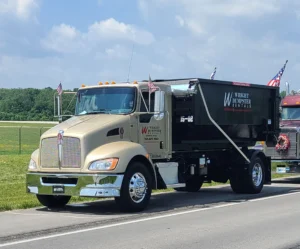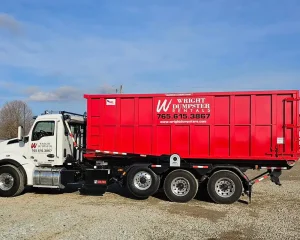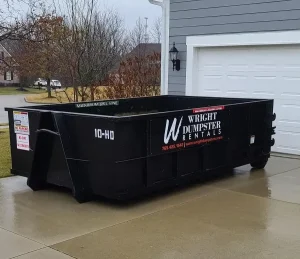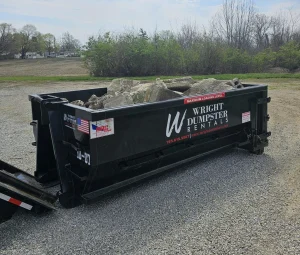

Yes, you can rent a dumpster for temporary cleanup projects such as home cleanouts, remodeling, roofing, construction, and property clearing. You choose a container based on your debris, schedule delivery, fill it during the rental period, and have it picked up when the rental ends.
In this guide, we’ll explain who can rent a dumpster, what sizes are available, what affects the cost, and how to choose the right rental for your project.
Can You Rent a Dumpster for a Home or Project?
You don’t need to be a contractor or business owner to rent a dumpster.
Homeowners often use temporary dumpsters when a project creates more debris than regular trash service can handle. Contractors and businesses may also use them for renovation, construction, roofing, and property cleanup work.
A dumpster may be useful for:
- Garage, basement, or attic cleanouts
- Moving and downsizing
- Home remodeling
- Roofing projects
- Construction debris
- Property clearing
- Large amounts of household junk
The key is to explain what you’re removing before booking. The amount and type of debris can affect the dumpster size you need and the disposal rules that apply.
What Dumpster Sizes Can You Rent?
Dumpster sizes are usually measured in cubic yards. Larger yard sizes generally provide more container capacity.
Common roll-off dumpster sizes include:
Dumpster size | Common project examples |
Small cleanouts and limited debris | |
Furniture removal and light remodeling | |
Renovations, roofing, and flooring | |
Larger cleanouts and construction work | |
Major renovations and property cleanups | |
Large construction or commercial projects |
The right size depends on more than the amount of space your debris takes up. Bulky household items can fill a dumpster quickly, while dense construction materials may reach a weight limit before the container looks full.
If you’re unsure, describe your project and debris instead of choosing a dumpster based only on dimensions.
How Much Does It Cost to Rent a Dumpster?
Local dumpster rental prices depend on several factors, so there isn’t one price that applies to every project.
Common pricing factors include:
- Dumpster size
- Delivery location
- Rental period
- Included disposal weight
- Type of debris
- Extra rental days
- Weight overages
- Additional trips or services
When comparing prices, look at what the quote includes instead of focusing only on the starting rate.
A lower price may come with fewer rental days or a smaller included weight allowance. Another quote may cost more upfront but better match the amount of debris and time your project requires.
The most useful question is: What will the total rental include for my project?
Are Cheap Dumpsters Always the Best Option?
Not necessarily. Searching for cheap dumpsters may lead you to a low advertised rate, but that doesn’t tell you the full cost of the rental.
Before choosing based on price, find out:
- How many days are included
- How much disposal weight is included
- Whether delivery and pickup are included
- What the overage rate is
- Whether extra service or trip charges may apply
A rental that fits your project can be more cost-effective than simply choosing the cheapest advertised option. Clear terms matter because they make it easier to understand what you’re paying for before the dumpster arrives.
How Do You Rent a Dumpster?
Renting a dumpster is usually straightforward when you have a few project details ready.
1. Describe Your Project
Explain what you’re cleaning up and what you plan to throw away.
The debris type helps determine the appropriate dumpster and whether any materials need special handling.
2. Provide the Delivery Address
The rental company will need your project location to confirm service and plan delivery.
Location can also affect pricing, depending on how far the property is from the company or disposal facility.
3. Choose a Dumpster Size
Estimate how much debris you have and what type of material it is. If you’re uncertain, ask for guidance instead of choosing based only on price.
4. Review the Rental Terms
Before confirming the rental, ask about:
- Rental period
- Included weight
- Delivery and pickup
- Restricted materials
- Extension policies
- Additional charges
5. Schedule Delivery
Choose a delivery date and prepare a clear area for the dumpster.
Keep vehicles, trailers, equipment, and other obstacles away from the placement area.
6. Load the Dumpster and Prepare for Pickup
Load only approved materials and keep debris below the maximum loading level.
Before pickup, make sure the truck can reach the dumpster without anything blocking access.
Can You Rent a Dumpster When Moving?
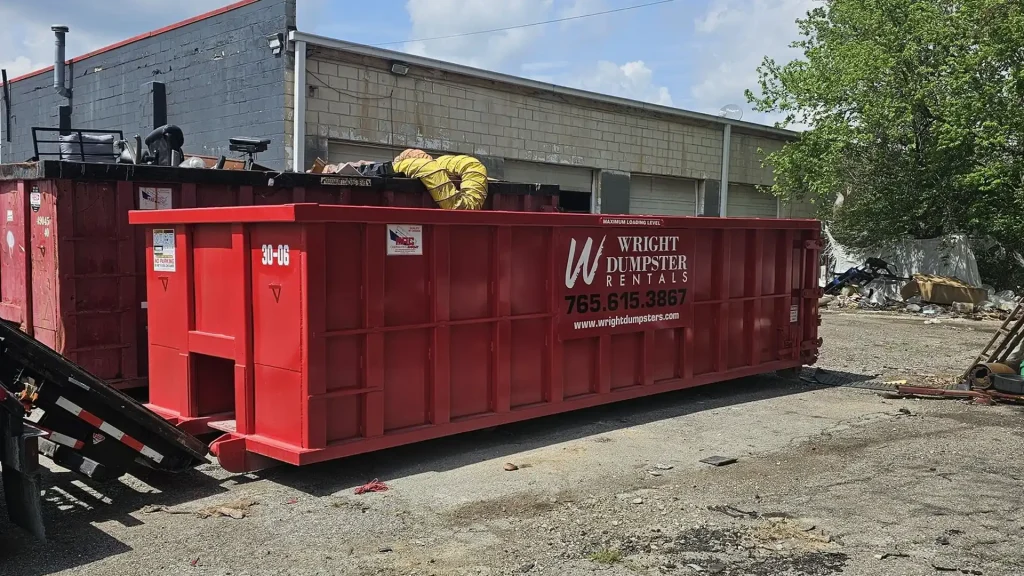
Yes. A moving dumpster can be useful when you’re decluttering, downsizing, or clearing out a home before relocating. It gives you one place to put approved unwanted material while you work through rooms, garages, basements, or storage areas.
Before throwing everything away, separate items that may be:
- Donated
- Sold
- Recycled
- Reused
- Handled through another disposal program
Then use the dumpster for acceptable waste that remains. This keeps cleanup more organized while keeping reusable material out of the waste stream.
What Can’t You Put in a Dumpster?
Not every material can go into a standard rental dumpster.
Restrictions vary by rental company and disposal facility, but materials that may require separate handling include:
- Paint
- Chemicals
- Used motor oil
- Batteries
- Pesticides
- Certain electronics
- Appliances containing refrigerant
- Propane tanks
- Medical or infectious waste
Indiana’s Department of Environmental Management identifies those materials as household hazardous waste and directs residents to appropriate local disposal programs.
When you’re unsure about an item, ask before loading it. It’s much easier to confirm first than deal with a prohibited material after pickup.
What Should You Know Before Renting?
A little preparation can prevent common rental problems.
Before delivery:
- Confirm the dumpster size
- Understand the included weight
- Know your rental dates
- Review restricted materials
- Prepare an accessible placement area
- Keep pickup access open
- Ask how extensions work
It’s also helpful to understand what happens if the dumpster is overloaded, overweight, blocked, or kept longer than planned.
Those details can affect the final cost and whether the dumpster can be safely picked up.
Rent the Right Dumpster for Your Project
If you need a temporary dumpster in Central Indiana, Wright Dumpster Rentals can help you choose a rental based on your project, debris, location, and timeline.
Tell us what you’re cleaning up and how much material you expect, and we’ll help you narrow down an option that fits the job.
Frequently Asked Questions
Availability depends on the schedule, but fast service is a priority. If your project comes up unexpectedly, call us with your location, debris type, and preferred delivery date so we can check the quickest available option.
You don’t need to figure that out on your own. Tell us:
- What you’re throwing away
- Roughly how much debris you have
- What type of project you’re working on
- How long you expect the project to take
We use those details to help you narrow down the right rental.
We explain the rental details before delivery, including the rental period, included weight, pickup schedule, and any important restrictions. That way, you know what to expect before the dumpster arrives.
If you exceed the included weight allowance, additional tonnage charges may apply. The exact allowance depends on the dumpster size, so it’s important to understand the limit before loading heavy debris.
Extensions may be available depending on availability. Contact us by 9:00 a.m. on the business day before your scheduled pickup date so we can review your options. Additional daily charges may apply.