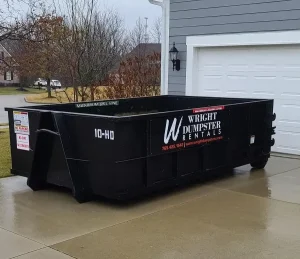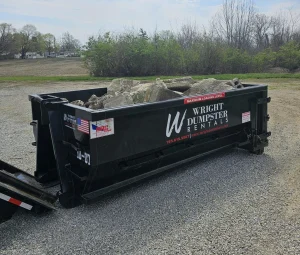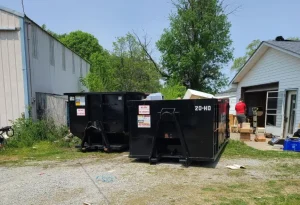

When you’re starting a project—a major renovation, big cleanout, or construction job—how you get rid of the waste can impact both your budget and your time. The art of packing a hired dumpster isn’t just about tossing everything in and hoping for the best. It’s about using every bit of space wisely.
When done right, you save on extra hauls, avoid overage fees, and reduce your environmental footprint. You also help keep your project site cleaner and safer.
So join us as we walk through practical ways to pack your dumpster rental efficiently. These tips come from years of real-world experience helping folks just like you in Central Indiana.
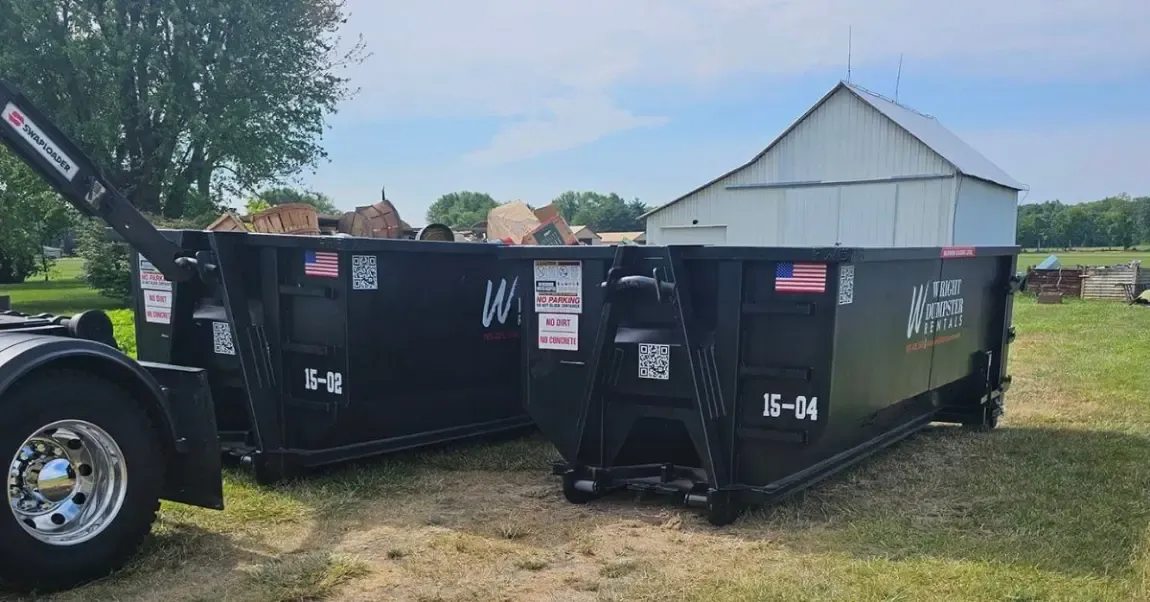
Choose the Right Dumpster Size (Not Just the Cheapest)
A lot of people try to save money by picking the smallest dumpster. But if you overfill it or need a second trip, you’re not saving anything.
Here’s what we recommend based on what we’ve seen on local jobs, including estimated rental costs from Angi’s 2025 national averages
| Dumpster Size | Pickup Truck Load Equivalent | Best For | Estimated Cost (Per Week) |
|---|---|---|---|
| 10-yard | ~4 loads | Garage cleanouts, small remodels | $355 – $400 |
| 15-yard | ~6 loads | Roofing jobs, bathroom remodels | $405 – $450 |
| 20-yard | ~8 loads | Estate cleanouts, attic cleanouts | $455 – $500 |
| 25-yard | ~10 loads | Larger home renovations | $505 – $570 |
| 30-yard | ~12 loads | Commercial cleanups | $575 – $630 |
| 40-yard | ~16 loads | Demolition, whole-house rehabs | $637 – $750 |
Not sure what size you need? Text me a photo of your junk pile at 765-425-1542, and I’ll tell you what works.
How to Choose the Right Size for Your Project
As discussed, choosing the right dumpster size is key for keeping costs low and keeping it practical. Here’s how to pinpoint the perfect fit,
1. Evaluate Your Debris Volume
Start by estimating the volume of your debris. Visualize how many pickup truck loads it might take for waste removal. A 10-yard dumpster holds about 3-4 truckloads, while a 40-yard dumpster can hold about 12-16 truckloads.
2. Consider the Debris Type
Lighter materials like old furniture or yard waste can fill up a larger dumpster without exceeding weight limits. However, heavier materials like concrete or roofing shingles might require a smaller size to avoid overweight issues.
3. Space and Placement
Always consider the space available for placing the dumpster. Ensure there’s enough room for delivery and pickup, and double-check if the dumpster size you choose can be accommodated by your property.
4. Local Regulations
Some areas have restrictions on the size and placement of dumpsters. It’s essential to check local rules to avoid fines or choose a size that complies with area regulations.
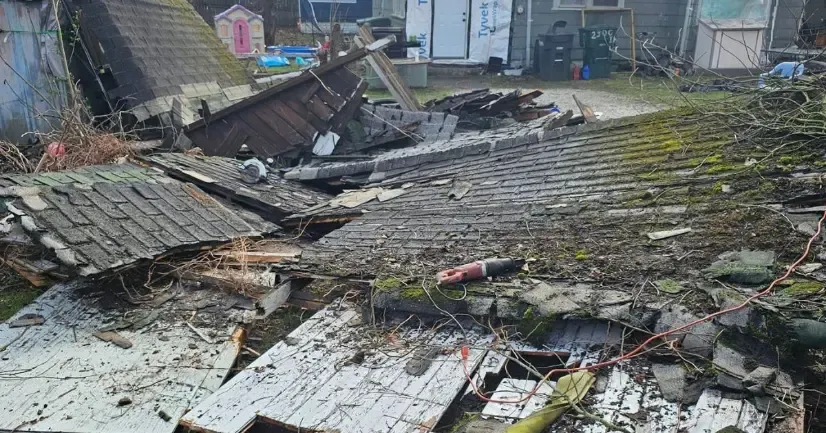
Get Your Space Ready Before the Dumpster Arrives
Picking the right spot for your dumpster is important. It should be easy for the truck to reach and still leave room for you to toss in your trash. A flat, solid surface like a driveway or paved area works best. It keeps the dumpster steady, even when it’s full. Don’t place it on soft ground like grass—it can sink if the ground is wet. Also, check above the spot. Look out for tree branches or power lines that could get in the way during drop-off or pickup.
Clear the Way
Before the dumpster shows up, move any cars, tools, or junk that might block the space. A clear area helps with smoother placement and gives you more room to walk around while loading. Try to keep about 50 feet of space in front of the drop zone. This helps the truck back in safely and gives you easier access.
Sort Out Your Trash First
Before you start tossing things in, take a few minutes to separate your waste. When you group items by type—like wood, metal, or general trash—it’s easier to pack them in tightly. Some things are solid and need more space, while others can be packed down or stacked. Planning ahead like this makes filling the dumpster faster and helps you use every bit of space.
Know the Local Rules
In some towns, you might need a permit to place a dumpster on the street or sidewalk. That’s why it’s a good idea to check in with city or town offices before delivery day. If you skip this step and put it where it’s not allowed, you could end up with a fine or have to move it later.
The No-Go Zone: What Not to Toss in Your Dumpster
Knowing what you can’t put in your dumpster is just as important as knowing what you can. It’s about keeping people safe, staying within the law, and doing what’s right for the environment. Below are some common items you should leave out of your dumpster, along with better ways to get rid of them.
| Prohibited Item | Why It’s a Problem | Better Way to Get Rid of It |
|---|---|---|
| Hazardous Materials | Things like computers, TVs, and old fridges have harmful materials inside that need special handling. | Many towns have special drop-off days for this kind of waste. These events often let you safely toss it out—and some items may even be reused or recycled. |
| Electronics | Batteries of all kinds can leak dangerous stuff like acid or mercury. That’s bad news for landfills. | Try local recycling programs or return old electronics to stores that accept them. Many places have e-waste bins or take-back programs. |
| Batteries | They don’t break down, and they can even cause fires at waste sites. | Look for stores with battery recycling drop boxes. Some towns also offer battery collection as part of their recycling efforts. |
| Tires | Tires take forever to break down and can become a fire risk if piled up. | If you’re buying new tires, the shop might take the old ones. Some areas hold tire collection days where you can drop them off for safe handling. |
| Appliances with Freon | Things like old fridges and A/C units need the coolant removed first, which requires special care. | Call a local repair shop or utility company. Some of them offer pick-up or drop-off for appliances, and they can remove Freon the right way. |
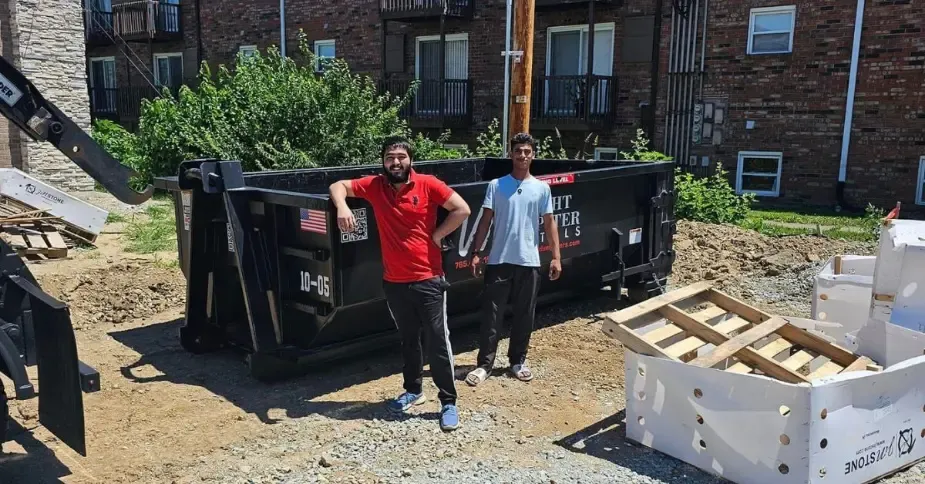
Safety Tips for Dumpster Loading
Loading a dumpster might seem easy, but a few wrong moves can cause injuries or delays. Taking the right steps can help you stay safe and keep your project running smoothly. Whether you’re cleaning out your garage or working on a job site, these simple tips can make a big difference.
Dress for the Job
Before tossing anything in, make sure you’re wearing the right gear. Sturdy gloves protect your hands from sharp edges or rough surfaces. Safety goggles help keep your eyes safe from dust or flying bits. And don’t forget strong, closed-toe shoes—they’ll protect your feet from bulkier items and broken glass. This isn’t just about comfort. It’s about keeping your body safe while you work.
Lift the Right Way
Many people hurt their backs by lifting wrong. Bend at your knees, not your waist, and use your legs to lift. Don’t twist your back while carrying something heavy. If it’s too big or awkward, ask someone to help or use a dolly or wheelbarrow. It’s faster to get help than to deal with days of back pain.
Keep the Area Clear
Before you start moving junk, clear a safe path. Trips and falls happen a lot when stuff is left in the way. Sweep up smaller debris and keep your walking area open. Place your dumpster close to where you’re working so you don’t have to carry heavier items far.
Stack Things Safely
Don’t just toss everything in randomly. That wastes dumpster space and can make the load shift when it’s moved. Put heavy items on the bottom of the dumpster. Stack lighter things on top. Watch how the pile grows—if it looks like something could tip over or slide out, rearrange it before adding more.
Don’t Overfill
This is one of the most important tips. If items stick out above the top, the dumpster might not be picked up—or worse, stuff could fall out while it’s being hauled away. That’s a danger to drivers and anyone nearby. Every dumpster has a line showing how full it can be. Stick to it. If you end up with more trash than expected, it might be better to get a second dumpster or ask for another pickup.
How to Best Use Vertical Space in Your Dumpster
Filling a dumpster isn’t just about tossing stuff in until it reaches the top. It takes some planning. If you stack things the right way, you can fit more, stay safe, and avoid problems when it’s time for pickup. Here’s how to make the most of the space from bottom to top.
Stacking the Right Way
Start by building a strong base using heavy, flat items—like old shelves, broken furniture, or chunks of drywall. This bottom layer holds the weight of whatever goes on top.
Once that’s in place, start stacking lighter items. Cardboard boxes, bags of trash, or anything that’s easy to move around. Keep the weight balanced. Don’t pile everything on one side.
Picture your dumpster like a game of Jenga. Each piece should help support the next. Lay long, flat items—like wood planks or branches—across the top of bulky stuff. These can act like shelves where smaller things can rest. It helps you stay organized and use every bit of space.
How to Know When It’s Full
It’s easy to keep loading until the dumpster looks full. But there are signs that you’ve hit the limit, and going past that can cause problems.
- Too Tall: If the trash is level with the rim or higher, it’s time to stop. Nothing should stick out over the top.
- Side Bulges: Look at the walls of the dumpster. If they’re bulging, the load might be too tight or heavy.
- Hard to Fit More: If adding one more thing causes something else to pop out, you’ve used all the space you can.
When dumpsters are packed too high or too tight, they’re hard to move safely. Trash might fall out during transport, and that could lead to fines or accidents on the road. If you think you’ve overdone it, it’s better to call dumpster companies before they arrive for pickup.
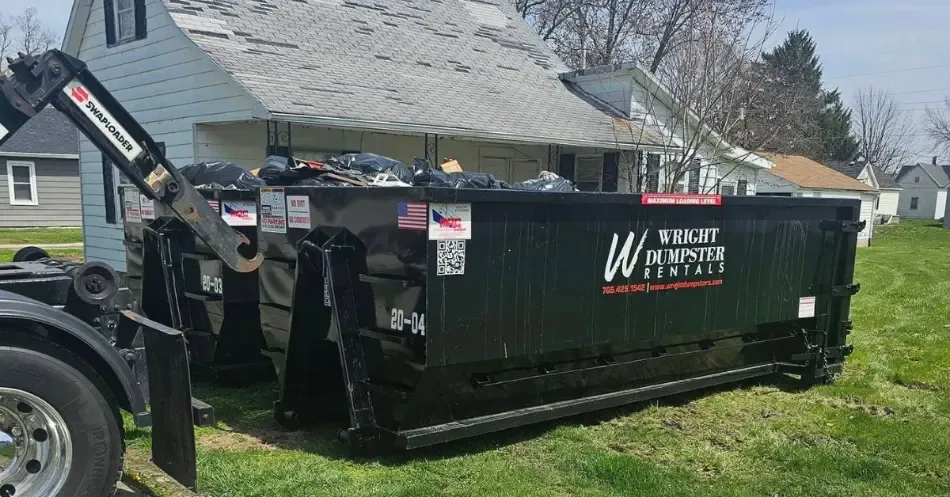
Making Sure Your Dumpster is Ready to Roll
You’ve packed your dumpster carefully and efficiently, but before it’s hauled away, a final thorough check is crucial to avoid any hitches during transport. Let’s walk through the essential last-minute inspections and steps to address any issues with an overloaded or improperly loaded dumpster.
Securing Your Load
Before your dumpster is picked up, take a moment to scrutinize the packing. Here’s what to focus on,
Even Distribution
Ensure that the weight is evenly distributed across the base of the dumpster. An uneven load can cause shifting during transport, which might lead to accidents or spillage.
No Items Protruding
Check that no items are sticking out beyond the top or sides of the dumpster. Protrusions can be hazardous on the road, as they can catch on to other vehicles or structures.
Cover if Necessary
Depending on your locality and the nature of your debris, covering your dumpster with a tarp might be required by law to prevent lighter materials from blowing away. Even if not legally required, it’s a good practice to secure your load with a net or tarp, especially if you have any debris that might be susceptible to scattering.
Handling an Overloaded Dumpster
If you suspect that your dumpster is overloaded, here’s what you can do:
Remove Excess Items
If possible, lighten the load by removing excess items. This might require sorting through the debris to decide what can be disposed of differently or saved for another haul.
Consult with Your Rental Company
If removing items isn’t feasible or safe, contact your dumpster rental company for advice. They may recommend swapping out your current dumpster for a larger one or arranging for a second dumpster.
Double-Check Weight Limits
Every dumpster has a weight limit, which, if exceeded, can incur additional fees or create dangerous conditions for transport. Ensure that the weight of your loaded dumpster does not exceed the stipulated limit. You might need a weigh-in, which your rental provider can arrange.
Documentation and Reporting
It’s wise to document the state of your dumpster load before pickup. Take photos from different angles to show that the load was secure and in compliance at the time of pickup. This documentation can be helpful in case of disputes or if damage claims arise during transport.
Wrapping Up: Pack It Right, Make It Count
Congratulations on making it so far in our journey of exploring the best ways to pack a dumpster! If you’ve been following us, you’d know that making every inch of your rental count will not only maximize your investment but also contribute to sustainability—a win-win for everyone!
So keep the techniques we’ve explored in mind as you’re loading your dumpster—from laying a solid foundation with flat, bulky items, to strategic layering and filling gaps. With these tips at the forefront of your dumpster filling venture, you will save space (and thus money, by requiring fewer trips), secure the load properly (which will keep you on the good side of local authorities), and be a positive presence for the planet.
Ready to Tackle Your Project?
We help homeowners, landlords, and contractors in Madison County rent and pack dumpsters the smart way. Let’s make your cleanup easy, affordable, and stress-free.
Call or text: 765-425-1542
Email: wrightdumpsters@gmail.com
See more cleanup tips and guides
Frequently Asked Questions
How do I load a dumpster to get the most space?
Start by putting the heaviest and largest items on the bottom. That gives you a solid base. Use smaller stuff to fill in the gaps. Stack flat things like boards or boxes along the sides. Try not to just toss things in—it’ll fill up too fast that way.
Can I throw everything into the dumpster at once?
You could, but it’s not a good idea. Throwing everything in quickly leaves empty spaces and wastes room. Break things down first. Bag up loose trash and stack items neatly. That way, you’ll fit more in and avoid needing a second dumpster.
What happens if I overfill my dumpster?
If your dumpster is packed past the top or gets too heavy, the driver might not take it. You could also get charged extra. It’s best to stop at the fill line. If you still have more trash, call your rental company to talk about your options.
Do I need to sort items before loading the dumpster?
Yes, it helps a lot. Group similar things together—like wood, metal, or old furniture. It makes stacking easier and gives you more space. Also, keep out anything that’s not allowed, like paint or electronics.
How much clearance do I need for dumpster delivery and pickup?
You’ll need about 35 to 40 feet in length and around 10 feet in width. Make sure the spot is clear—no cars, tree branches, or wires in the way. A flat driveway or paved area works best for drop-off and pickup.
What’s the first step to packing a dumpster the right way?
The first step is planning. Before you toss anything in, think about how much you’re throwing out and what kind of space you have. Sort different types of waste into piles—things like wood, metal, and furniture. Doing this helps you stay organized and makes the whole process easier.
How can I make better use of the space in my dumpster?
Focus on space utilization by stacking and layering. Place larger items on the bottom, and use smaller pieces to fill in the gaps. Breaking down furniture or flattening boxes also helps reduce air pockets, which take up room for no reason.
Does weight distribution matter when filling a dumpster?
Yes. Good weight distribution keeps your dumpster safe to haul and avoids tipping or shifting during pickup. Put large items and heavy waste materials on the bottom. Spread the weight out as you go, especially if you’re tossing in a mix of big and small stuff.
Can I throw construction debris and smaller items into the same dumpster?
Yes, you can. Most roll-off dumpsters are made to handle both construction debris and household junk. Just be sure to layer the smaller items between the big ones so they don’t waste space. This also helps with the safe and efficient use of space.
What should I know about the waste disposal process before renting?
Understanding the waste disposal process helps you avoid delays and extra fees. Know the amount of waste you expect to have, measured in cubic yards, and ask about rules for certain materials. Being prepared goes a long way in making your rental experience smoother and less stressful.
Why is proper dumpster loading important for safety and waste management?
Loading a dumpster the right way helps avoid safety hazards like items falling out, tipping, or sharp objects sticking out. It also supports better waste management by keeping everything organized and within the weight and fill limits. Safe, smart loading keeps your job site clean and avoids problems during pickup.